
Relocating to Hilton Head Island

June 18, 2025

Relocating to Hilton Head Island: Your Ultimate Relocation Guide


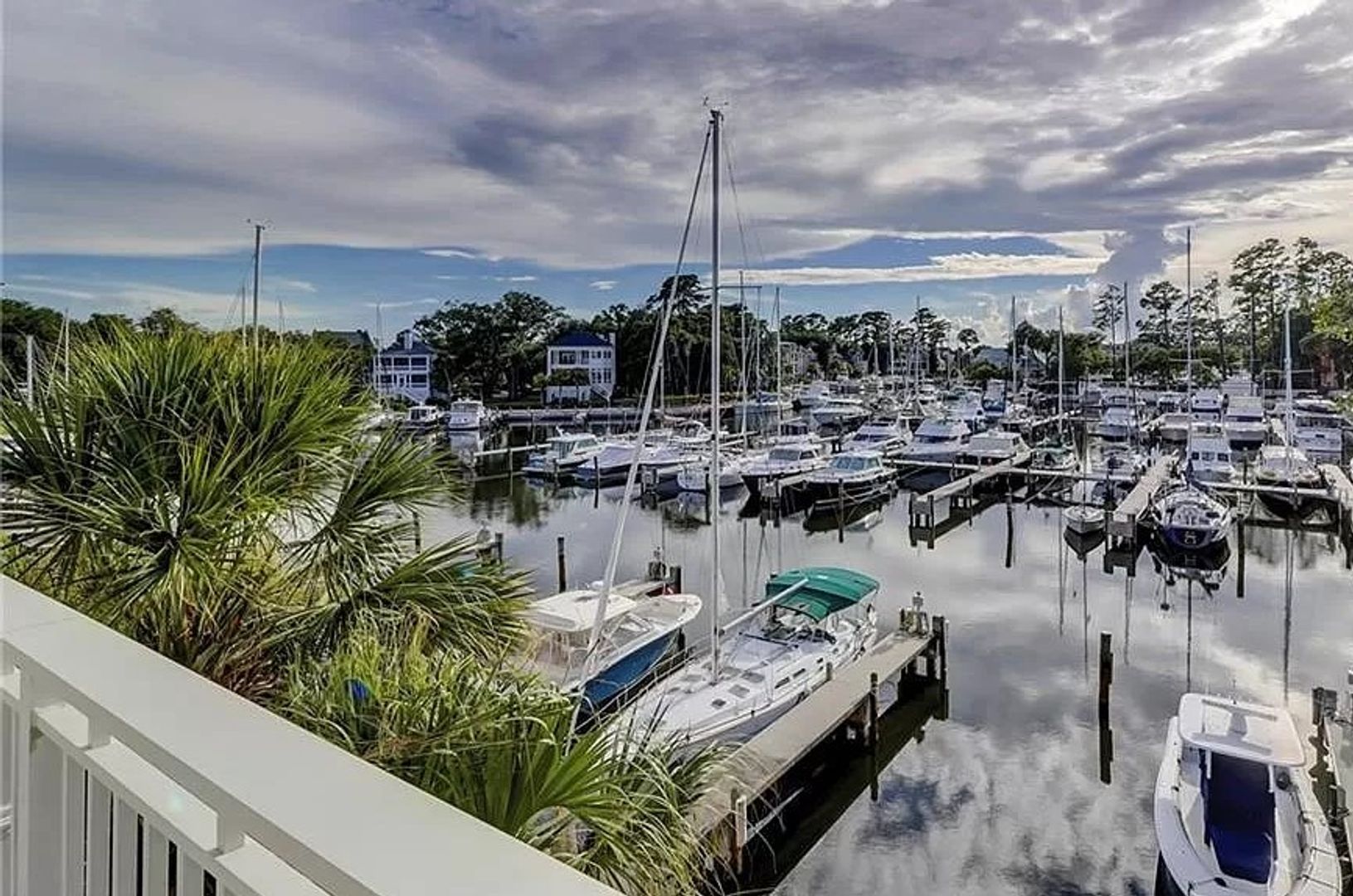
Are you dreaming of a coastal lifestyle filled with sunshine, beaches, and a welcoming Southern community? Hilton Head Island, South Carolina, might just be the perfect destination for you and your family – and you might not want to wait until you hit retirement. Plenty of families are deciding that this area is where they want to call home sooner rather than later. Census data shows that Beaufort, South Carolina (where Hilton Head Island is located) has grown 10% from 2018-2023.  Known for its natural beauty, world-class golf courses, and relaxed Southern charm, Hilton Head and our surrounding towns check a lot of boxes particularly for northerners looking to escape colder, gray winters where amenities are scarce.


In this blog post, Coastal Long-Term Rentals explores the reasons to move here and then breaks down just some of the resources you may need to get here.  Coastal Long-Term Rentals provides long-term housing rentals on Hilton Head and in Bluffton, South Carolina (the town that neighbors Hilton Head Island.)  Our long-term rentals start from 6 months and longer, many are furnished properties and are a great starting point for those who are looking to relocate but haven’t sold their property yet. We can be a great “in-between” solution! We’re here to help!


First: Why Move to Hilton Head Island? Here are just a few reasons:


Scenic Beauty and Outdoor Activities

With its miles of sandy beaches, lush marshes, and scenic waterways, Hilton Head is a haven for outdoor enthusiasts. Whether you enjoy kayaking, paddleboarding, fishing, or simply relaxing on the beach, the island’s natural landscape provides endless opportunities for recreation. Coligny Beach Park is the most popular and accessible beach on the island, Coligny Beach offers ample parking, restrooms, showers, and lifeguards during the summer months. The vibrant atmosphere is perfect for families, with nearby shops, restaurants, and a lively town center. There are also other beaches including Folly Field, Drissen Beach, Burke’s Beach, Mitchelville Beach, and Sea Pines Beach.


Golf and Sports Culture

Golf lovers will feel right at home, as Hilton Head boasts more than 20 championship courses designed by renowned architects and players such as Robert Trent Jones, Pete Dye, and Tom Fazio. The Island also hosts tennis, biking, and hiking trails, making active living easy and enjoyable. Enjoy pickleball? The island is home to new public pickleball court centers and plenty of places to play, as well as tennis courts. Don’t forget about the Island Recreation Center, which is home to a great gym but also hosts a wonderful year-round youth and adult sport programming.


Family-Friendly Community

Hilton Head is known for its safe neighborhoods, excellent schools, and family-oriented events. The community’s friendly atmosphere makes it an ideal place for families, retirees, and anyone seeking a peaceful yet vibrant lifestyle. The public school system is rated among the best in the State of South Carolina consistently. There are a variety of private school options to consider including Hilton Head Preparatory, Sea Pines Montessori Academy, Hilton Head Christian Academy, St. Francis Academy and more.


Rich History and Local Culture

Explore the island’s history of Gullah ancestory and Historic Mitchelville Freedom Park, where freedom was born, or immerse yourself in local arts and crafts. The island hosts numerous festivals, farmers markets, and cultural events throughout the year. More and more people are realizing that Hilton Head Island offers something beyond the beaches, golf, and tennis than originally thought!


Practical Considerations Before Moving to Hilton Head Island


Cost of Living

While the quality of life is exceptional, depending on where you are from, you should be prepared for a higher cost of living compared some mainland areas. Housing costs can vary, but there are options ranging from beachfront condos to quiet neighborhoods inland. Once again, this can vary depending on where you are coming from.


Housing Market

The real estate market on Hilton Head is competitive, with a mix of sales and rentals. Working with a local real estate agent can help you find the perfect home that fits your needs and budget. Coastal Long-Term Rentals can help you find a real estate agent that works well with your personality and can work within your budget. We do not sell real estate. We simply are a property management company that works with long-term property rentals in Hilton Head Island and long-term property rentals in Bluffton. We pride ourselves in providing quality service to our tenants. We provide housing rentals for tenants 6 months or longer in Bluffton or Hilton Head.


Climate and Weather

Enjoy mild winters and hot, humid summers. The island’s climate is ideal for outdoor activities most of the year, but be prepared for hurricane season from June to November. This takes getting used to if you aren’t used to hurricane season – be prepared to evacuate on occasion. You will ensure proper insurance wherever you land with your housing, keeping you safe and protected.


Accessibility

Hilton Head is accessible via Savannah/Hilton Head International Airport, approximately 45 minutes away, or through driving from nearby cities like Charleston or Atlanta. The airport code is SAV. There is also an airport on Hilton Head Island (airport code HHH) that has direct flights to Charlotte and Atlanta, and some flights to DC and other cities.  Getting here is easy!


Tips for a Smooth Move


Identify your health care needs: Identify nearby hospitals, clinics, and specialists to ensure access to healthcare services that you and your family need. Novant Health is the local hospital in our area.


Own a business? Understand any local regulations or permits needed for moving or businesses. Visit our local town government website to ensure proper permits and licensing.


Consider the financial implications of moving. Be sure to budget for moving expenses, deposits, and unexpected costs. Review your financial situation, including savings and emergency funds. Coastal Long-Term Rental requires a security deposit for long-term rentals on Hilton Head and in Bluffton and we also require a application fee which is non-refundable.


Final Thoughts

Relocating to Hilton Head Island is more than just changing your address; it’s about embracing a lifestyle surrounded by natural beauty, recreational opportunities, and a welcoming community! At Coastal Long-Term Rentals, we are here to help you find a temporary home that feels like home while you find your permanent dream home. Whether you’re seeking a peaceful retirement, a family-friendly environment, or a vibrant place to work remotely, Hilton Head offers something for everyone and we can bridge the gap while you find that permanent, forever home. 


Ready to make the move and need a long-term rental? Start planning today and discover your slice of paradise on Hilton Head Island. We can help you! Visit our vacancies now. Get in touch to see a property!

Share this post

By 1915082 December 12, 2025
Choosing a long-term rental company to manage your property is a big decision. You’re entrusting your investment, your income, and your peace of mind to someone else. To protect your asset and maximize returns, look for a partner that shows transparency, rigor, and a genuine commitment to both property health and tenant quality. We believe this is us at Coastal Long-Term Rentals and have been serving property owners with reliable property management services on Hilton Head Island for a decade. Here’s a practical guide to help you pick a trustworthy, tenant-vetting focused property management company. Clarify your goals and expectations Before you start meeting property managers, write down your priorities. Are you aiming for maximum occupancy with reliable rent collection? Do you want proactive maintenance, stricter tenant screening, or regular financial reporting? A clear brief helps you evaluate candidates consistently. Be honest about your lease terms, pet policies, capital improvement plans, and preferred communication cadence. Trustworthiness starts with transparency Clear fee structure: Reputable firms publish a transparent breakdown of management fees, leasing fees, renewal fees, maintenance markup, and any markups for repairs. Be wary of vague quotes or hidden charges. At Coastal Long-Term Rentals, we do not nickel and dime our owners and we do not mark up maintenance fees. This is one of the biggest differences with our competitiors in the area. Written policies: A trustworthy company provides written policies on rent collection, late fees, eviction handling, maintenance approvals, and owner communications. Ask for a sample management agreement to review those policies. Ownership and team credentials: Confirm who owns the company and who will manage your property. Look for clearly identified local offices, licensed broker involvement if applicable, and ongoing staff training programs. Regular reporting: Expect timely, easy-to-understand owner statements (monthly or quarterly) with rent collected, delinquencies, maintenance activity, and property condition notes. Some firms offer an online owner portal for real-time access. Vetting tenants: the cornerstone of risk management! A property manager’s tenant screening process is one of the strongest indicators of long-term performance. Here’s what to look for: Thorough screening protocol: Reputable firms conduct multi-step checks, including income verification, employment confirmation, credit history, and rental history. They should use standardized criteria (minimum credit score ranges, debt-to-income ratios, eviction history) and apply them consistently to all applicants. Objective, fair housing compliance: The screening process must comply with local and federal laws (Fair Housing Act). Ask how they train staff to avoid bias or discriminatory practices, and request examples of their screening criteria in action. Reference checks: Expect verification of previous landlords, current landlords’ notes on payment history, care of property, and any prior issues. A good manager will contact multiple references and document findings. Balanced decisioning: A great firm documents why an applicant is approved or denied, tying decisions to objective data from screening and references rather than gut feeling. They should be able to explain exceptions if they arise and show how they mitigate risk (e.g., higher security deposits for borderline cases). Ongoing tenant monitoring: Some managers extend screening principles beyond move-in, including periodic income/rental history checks and proactive conflict resolution to reduce turnover and ensure rent reliability. Maintenance philosophy and reliability Preventive maintenance: Top firms run regular property inspections, seasonal checklists, and planned upgrades to preserve property value and occupant safety. Qualified vendor network: Ask about their pool of licensed, insured contractors and how they approve and monitor work. Transparent pricing and documented work orders help you avoid overcharging. Response times and SLA: Expect defined service level agreements for urgent repairs (e.g., 24–48 hours for major issues) and routine maintenance. Clear escalation paths reduce downtime and tenant dissatisfaction. Financial stewardship and risk management Rent optimization and rent collection: Inquire about how they set market rents, handle escalations, and enforce late fees. A strong manager uses automation for collections and provides arrears dashboards. Insurance and liability: Verify that the company carries appropriate insurance (general liability, E&O, and property management insurance). Ask about how they handle security deposits, including deposit protection and accounting. Eviction handling: While eviction is a last resort, you want a manager who handles it efficiently, legally, and with minimal delay. Review their eviction timelines, legal partnerships, and court familiarity. Service model and culture Local market expertise: A local, hands-on team understands neighborhood dynamics, tenant expectations, and permit requirements. Communication style: During your initial conversations, assess responsiveness, clarity, and professionalism. Do they provide a dedicated property manager for your account? Owner-centric culture: Look for a partner who treats your property as if it were their own, offers flexible terms, and prioritizes long-term relationships over short-term gains. Due diligence: ask for proof References: Request owner references and speak with other property owners about their experiences, especially around tenant quality, cost predictability, and communication. Case studies: Ask for examples of properties they manage, the average time to lease, and tenant turnover rates. With these simple, easy to follow step-by-step tips, you will be able to determine the right property management company for your long-term lease in Hilton Head or Bluffton. Ready to get started and interview us? Give our team a call!
By 1915082 December 12, 2025
Hilton Head Island is a hotbed for real estate activity but all the numbers indicate that overall, the market has slowed down. Buyers and sellers are navigating a landscape shaped by limited inventory, rising interest rates in the broader market, and a strong appeal for lifestyle properties that combine golf, beaches, and a relaxed Lowcountry vibe. Are you interested in buying a property on Hilton Head Island? With some of the market challenges, many home seekers are deciding to rent right now. Ultimately, the decision will come down to a few key factors. At Coastal Long-Term Rentals, we do not sell real estate, but we help people find a long-term rental on Hilton Head Island until they are ready to buy. We refer our clients back to their realtor when they are ready. How do you know you are ready to buy versus decide to rent? First, let’s look at the key real estate market trends on Hilton Head. Key trends shaping the market: Inventory and prices: Homes on Hilton Head often see a competitive bidding environment, especially in well-established neighborhoods and ocean-access communities. While inventory has historically been tight, new listings continue to come online, offering a mix of single-family homes, townhomes, and luxury estates. Expect price stability in popular areas, with modest year-over-year appreciation in many segments. Buyer activity: Many buyers are motivated by the island’s year-round appeal, top-tier golf courses, and favorable climate. In the luxury tier, demand remains resilient, supported by second-home buyers and investors seeking long-term value. First-time buyers may face more competition and longer search windows due to premium pricing and limited options. Neighborhood nuances: Coastal and resort-style communities near beaches and marinas tend to command higher premiums. Inland neighborhoods with access to golf, schools, and trails offer more entry-point opportunities. Waterfront properties, marsh views, and homes with dock access continue to draw robust interest. Mortgage and financing context: Mortgage rate fluctuations influence buying power and monthly payments. Buyers often weigh short- and medium-term affordability against the island’s strong resale value and potential appreciation. Pre-approval and working with a local lender who understands Hilton Head’s market nuances is especially helpful. Seller considerations: For homeowners contemplating listing, presenting the property in top condition, highlighting outdoor living spaces, golf view lines, and recent upgrades can shorten marketing time. Strategic pricing, professional photography, and staging can yield favorable outcomes in a market where buyers are discerning. Hilton Head Island continues to be an attractive, high-quality real estate market with enduring appeal but it’s not without challenges right now. Deciding whether to buy or rent a property hinges on a blend of financial math, personal goals, and market context. A practical evaluation starts with a structured cash flow comparison and then expands to lifestyle and risk tolerance. To evaluate, follow these steps: Quantity Total Costs First, quantify the total cost of ownership versus renting. For buying, calculate: upfront costs (down payment, closing costs), ongoing costs (mortgage principal and interest, property taxes, homeowners insurance, maintenance reserves, HOA fees if any), and the opportunity cost of tying up capital. For renting, consider monthly rent, renter’s insurance, utilities you’ll pay, and potential rent escalation over time. Build a 5- to 10-year horizon projection for both paths, including expected home price appreciation or depreciation, rent increases, and the resale value or depreciation of the bought asset. Use a net present value (NPV) or internal rate of return (IRR) framework: compare the total cost of owning to the cost of renting plus potential investment returns on the down payment if you didn’t lock it into home equity. Assess Financial Levers Second, assess the financial levers. How stable is your income? Do you plan to stay in the same area for several years (often 5–7+ is a practical threshold for buying to recoup transaction costs)? What is the opportunity cost of tying up liquidity in a down payment versus keeping funds invested elsewhere with a potentially higher return? Also factor mortgage terms: fixed vs adjustable rates, term length, down payment size, and tax considerations (mortgage interest deduction in some jurisdictions). Evaluate Non Financial Factors Third, non-financial factors matter: lifestyle preferences, desire for flexibility, maintenance responsibilities, and risk tolerance. Owning provides stability, control, and potential equity growth but requires time, money, and exposure to market risk. Renting offers mobility, lower responsibility, and predictable costs but no equity and potential rent volatility. Run Sensitivity Analyses Finally, run sensitivity analyses. If interest rates rise, if housing prices fall, or if you move earlier than expected, how do outcomes change? Use scenario planning to make a decision that aligns with your financial goals and life plans, not just current market conditions. If you come to the decision that renting is a better option that purchasing a home on Hilton Head Island or buying in Bluffton, Coastal Long-Term Rentals can help. Take a look at our website and our page with vacant properties for rent in Bluffton and vacant properties for rent in Hilton Head. We have something for most budgets and price points and leases starting at 6 months and above.
September 9, 2025
If you are drawn to Hilton Head Island’s world-class golf and pristine beaches and are thinking of relocating there permanently, you are not alone. Hilton Head continues to be a desirable place to live year-round and grow in resident population year after year. 
Show More