Top 5 Reasons to live in Bluffton, SC

July 28, 2025

So you’ve visited Hilton Head Island, SC multiple times and explored the South Carolina coast. Each time as you’ve left this vacation paradise, you’ve thought to yourself: “Could I live here?” You aren’t alone. Each year, thousands of people decide to relocate to the South Carolina Lowcountry, whether it’s Beaufort, Bluffton, Hilton Head, or somewhere else. Why should you consider the move? There are so many reasons. Today, we’re narrowing down the top 5 reasons you should live in Bluffton, SC.  Once you are convinced, Coastal Long-Term Rental Company can help find you the perfect place to call your temporary home. Living in a rental for 6-12 months can give you a better sense of the area, where you want to buy, and is a perfect solution for housing when relocating to Bluffton or our area.


Nestled along the picturesque South Carolina coast, Bluffton is emerging as one of the most desirable places to live in the Southeast.  With recognition as a "Best Small Town to Live" or "Best Places to Retire" by various regional and national publications, highlighting its community charm, outdoor activities, and quality of life.


With its charming Southern hospitality, vibrant community, and natural beauty, Bluffton offers a compelling lifestyle for residents of all ages. Here are the top five reasons to consider making Bluffton your new home.


1. Rich History and Charming Small-Town Atmosphere

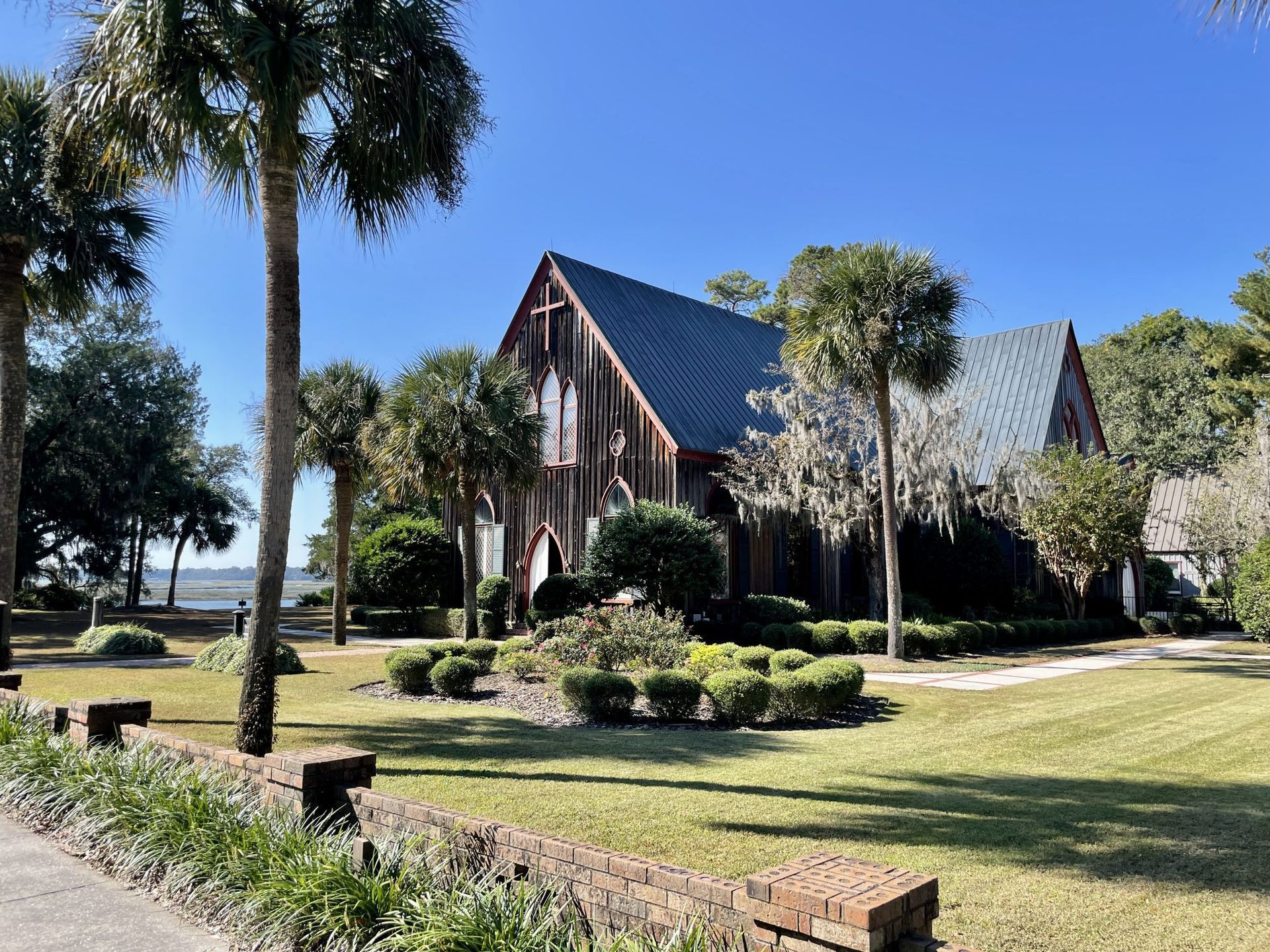
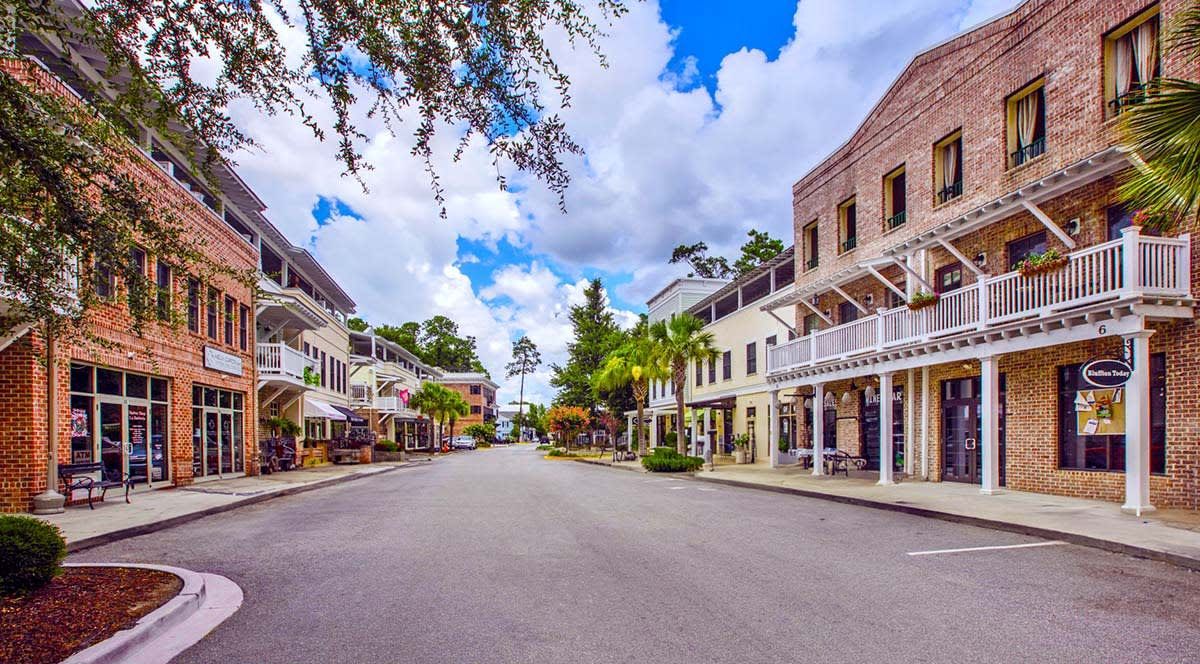
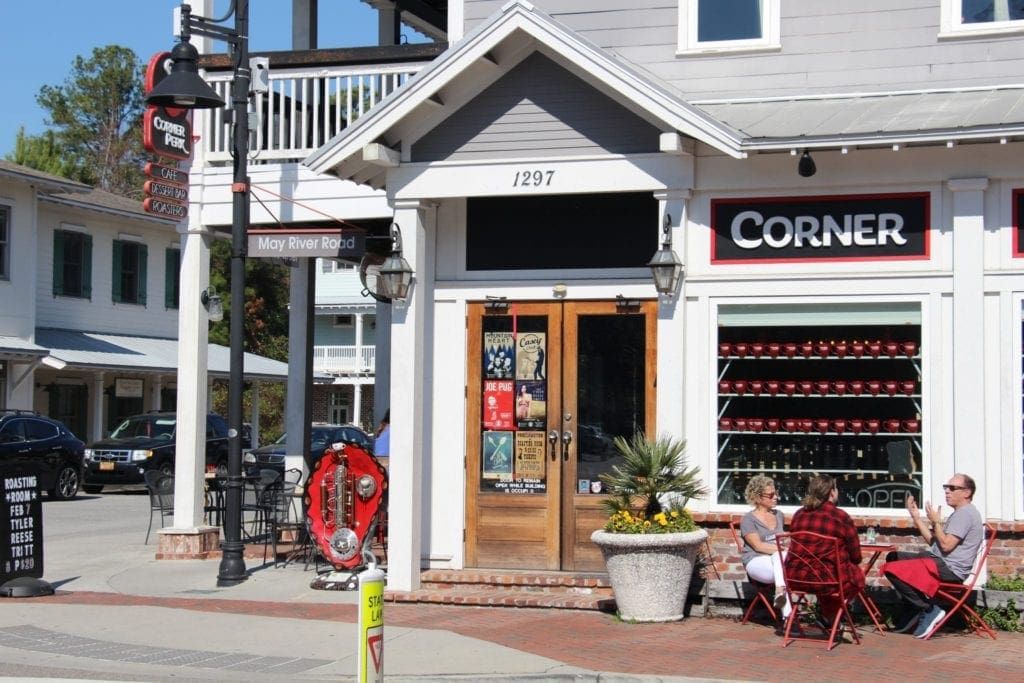
Bluffton boasts a deep-rooted history dating back to the 18th century. The town’s historic district, with its well-preserved architecture and quaint streets, offers a glimpse into its storied past. Walking through downtown Bluffton, residents and visitors alike enjoy a warm, small-town vibe, complete with boutique shops, art galleries, and cozy cafes. This blend of history and charm creates a welcoming environment that feels both timeless and vibrant. Stroll down Calhoun Street, visit the May River, and be sure to check out the historic church on the water. The new family park located on the water is also a must see!


2. Proximity to Nature and Outdoor Activities

Nature lovers will find plenty to enjoy in Bluffton. The area is surrounded by beautiful waterways, including the May River, which is perfect for kayaking, paddleboarding, and fishing. Nearby parks and wildlife preserves, such as the Palmetto Bluff Nature Preserve, offer trails for hiking and birdwatching. The region’s mild climate (not so mild in the summer!) allows for year-round outdoor activities, making it ideal for those who love an active lifestyle amidst scenic landscapes.


3. Convenient Access to the Coast and Beaches

Bluffton’s location provides easy access to some of South Carolina’s most stunning beaches. Just a short drive away are popular destinations like Hilton Head Island and Folly Beach, offering pristine sands and crystal-clear waters. Whether for weekend getaways or day trips, residents can enjoy coastal leisure, water sports, and breathtaking sunsets without the long commute. Nature and the beach is right outside your door!


4. Growing Community and Strong Local Economy

Bluffton has experienced significant growth in recent years, attracting new residents, entrepreneurs, and retirees. This growth has spurred a thriving local economy supported by tourism, retail, and healthcare sectors. The community’s friendly atmosphere fosters a sense of belonging, with numerous events, farmers markets, and cultural festivals that bring neighbors together. The town’s commitment to development ensures residents enjoy modern amenities while preserving its unique character.


5. High Quality of Life and Family-Friendly Environment

With excellent schools, low crime rates, and a variety of recreational facilities, Bluffton offers an outstanding quality of life for families, singles, and retirees alike. The town emphasizes outdoor recreation, arts, and community engagement, making it a perfect place for raising children or enjoying a peaceful retirement. Plus, the area's healthcare infrastructure and access to top medical facilities ensure residents’ well-being and peace of mind.


Bluffton, SC, seamlessly combines historical charm, natural beauty, and modern convenience. Its welcoming community, outdoor lifestyle, and proximity to beaches make it an attractive destination for those seeking a relaxed yet vibrant Southern lifestyle. Whether you're looking for a place to settle down, raise a family, or enjoy your retirement, Bluffton offers a compelling reason to call it home. 


Ready to relocate? Coastal Long-Term Rentals can help find the perfect spot for your temporary home while you search for your “forever home” in Bluffton. Renting a house or condo is a great way to explore the area without committing to a specific location before you fully know the area.

Share this post

July 21, 2026
Beyond the Monthly Fee: Why True Transparency in Long-Term Rental Maintenance Matters When you own a premium property on Hilton Head Island or in the surrounding Bluffton areas, leasing it on the long-term rental market can be a highly lucrative investment. High end homes renting for 5,000 dollars or more per month attract quality, stable residents like relocating corporate executives, medical professionals, or families building custom homes nearby. However, managing a luxury asset requires continuous maintenance, from complex HVAC dual systems to high end kitchen appliances and detailed landscaping. While most homeowners focus on the base management percentage when hiring a property manager, a much larger, hidden expense often lurks in the fine print of the contract: maintenance invoice markups. For discerning landlords, understanding how these hidden surcharges work and choosing a partner dedicated to absolute financial transparency is the key to protecting your monthly yield. At Coastal Long-Term Rentals, we are proud not to mark up our vendor invoices. This is a key distinction when hiring a long-term rental property management company on Hilton Head or in Bluffton. The Problem with Maintenance Markups Many traditional property management companies operate on a dual revenue model. They charge a standard monthly fee to manage the tenancy, but they also pocket an additional fee every time a repair coordinator calls a vendor. When a luxury home requires a significant fix, such as a $2,500 dollar pool heater repair or a major air conditioning component replacement, the management company will quietly add a 10% to 15% surcharge directly onto the vendor bill. This means that if a local technician charges 1,000 dollars to resolve an electrical issue behind the plantation gates of Sea Pines or Indigo Run, the property management firm bills the homeowner $1,150 dollars. The extra 150 dollars does not go to the technician, nor does it reflect a higher quality of materials. It is simply an administrative upcharge that directly reduces the owner's net rental income. Even more troubling is the inherent conflict of interest this practice creates. When a property management company profits off the volume and cost of repairs, they have very little financial incentive to negotiate lower rates with vendors or seek out cost-effective solutions. The more expensive the plumbing, roofing, or landscaping invoice is, the more money the management company makes. For a high-end estate renting, these routine upscale maintenance costs can quickly balloon, turning a profitable long term lease into an expensive administrative headache. The Coastal Long Term Rental Difference Coastal Long-Term Rental Company was founded on a simple principle that explicitly rejects this industry norm. We believe that a property management partnership must be built on strict integrity, which is why we operate with a completely transparent, reasonable fee structure. Most importantly, we never place markups on maintenance or repair invoices. When you partner with Coastal Long-Term Rental Company to manage your luxury property, the price the licensed vendor charges is exactly the price you pay. If an appliance technician invoices 400 dollars to service a high-end Sub-Zero refrigerator, your owner statement will reflect exactly 400 dollars. Our job is to protect and enhance the value of your real estate investment, not to find clever ways to slice away at your monthly rental checks. By eliminating repair surcharges, our incentives remain entirely aligned with yours. We focus exclusively on hiring the most reliable, high quality local tradespeople in Beaufort County who do the job correctly the first time at a fair market rate. Our goal is to minimize your overhead and maximize your long-term property value, keeping your luxury home in pristine condition year after year. Ultimate Transparency Through Technology True transparency requires more than just a promise; it requires clear verification. High net worth landlords, whether they live down the street or across the globe, deserve real time access to the financial performance of their assets. Coastal Long-Term Rental Company delivers this accountability through our comprehensive online owner portal. Managing a long-term rental that commands high value should be a passive, predictable experience that builds generational wealth. By choosing a property management firm that prioritizes strict financial honesty and eliminates hidden service fees, you can confidently protect your cash flow and your peace of mind. Contact Coastal Long-Term Rental Company at 843-842-4546 to learn more about our simple, markup free management services and experience a truly transparent rental partnership.
June 11, 2026
The Hilton Head Island real estate market has long been a crown jewel for property investors. For decades, buying a beachside villa or a plantation home and listing it on vacation rental platforms was a predictable path to high returns. However, the regulatory landscape has shifted dramatically. The Real Estate market has also slowed, changing the landscape considerably. The Town of Hilton Head Island has aggressively updated its Hilton Head rental regulations, moving away from a hands-off approach to protect local neighborhood character. For property owners, these changes are no longer just administrative inconveniences, they are directly impacting overhead costs, operational freedom, and ultimately, long-term property values. Many people are askign the question, how does the short-term rental policies on Hilton Head affect my investment property and should I put my Hilton Head property on the short-term or long-term rental market? Which is better? If you own an investment property on the island, understanding the true cost of these new HHI STR permit rules is essential to protecting your equity. Here is a look at how the latest local legislation is reshaping the market, and why many savvy owners are pivoting to the stability of long-term rentals. The New Reality of HHI STR Permit Rules: Fees, Fire Alarms, and Fines The town council's updated Short-Term Rental (STR) Program has transitioned from a complaint-based system to a strict, performance-driven enforcement model. Operating a vacation rental on the island now requires navigating a complex web of strict requirements: The Bedroom Tax (Full Cost Recovery Model): The town has completely done away with the flat annual $250 permit fee. To fund a newly expanded team of full-time code enforcement officers, the town has implemented a per-bedroom fee structure charging $150 per bedroom annually. For a 4-bedroom home, that is $600 a year just to keep the permit active, completely separate from your mandatory annual Town Business License. Mandatory Fire & Safety Retrofits: Properties are facing stringent safety rules. All exterior gas grills must now feature a 60-minute automatic shut-off timer. Even more demanding, properties at or above 3,600 square feet must feature interconnected, third-party monitored fire alarm systems. Retrofitting an older home to meet these exact municipal codes can easily cost thousands of dollars upfront. The Driveway Cap: No matter how large your home is, single-family STRs are strictly capped at a maximum of six designated, off-street parking spaces on an improved surface. Driveway expansions or new paving solely to increase rental capacity are explicitly banned. Escalating Fines and License Revocation: The town’s 24/7 STR Rapid Response Hotline routes neighbor complaints directly to a live dispatch center. Owners or their designated local agents are legally required to respond to complaints on-site within one hour. Fail to do so, or violate trash and parking rules, and you face an escalating fine schedule ($250 for a first offense, $500 for a second, and $1,000 for subsequent offenses). Amass three violations within a 12-month period, and the town can revoke your rental permit entirely How Regulations Alter Property Value and ROI When municipal regulations make it more expensive and legally risky to operate a vacation rental, the property’s value as a short-term asset inherently declines. When you factor in the $150 per-bedroom fees, local accommodations taxes (the 1% Town Accommodations Tax and 2% Beach Preservation Fee), mandatory property updates, and the constant threat of permit revocation due to unruly guests, the net operating income (NOI) of an STR begins to shrink. Investors are realizing that the vacation rental market is no longer a passive endeavor; it is a highly regulated, high-overhead business. Furthermore, because Hilton Head STR permits are strictly non-transferable and non-refundable, you cannot pass your active permit along to a buyer. A new buyer must re-apply under the latest, strictest guidelines, submit a brand-new site plan, and pass localized inspections. This added friction can cause properties primarily marketed as vacation rentals to sit on the market longer, directly impacting listing values. Finding Peace of Mind in the Regulatory Safe Haven As short-term rentals become an operational headache, local property owners are discovering the financial clarity of the long-term rental market. Transitioning your property to a 12-month lease model completely bypasses the town’s strict STR ordinances, the rapid-response hotlines, the per-bedroom fees, and the unpredictable nature of vacationers. At Coastal Long-Term Rental Company, we serve as your regulatory safe-haven. We help Lowcountry property owners pivot away from the volatility of vacation platforms into secure, high-yield, long-term investments. Here is why switching to a long-term model with Coastal protects your asset: Zero STR Fee Burden: Long-term leases (over 30 continuous days, though typically 6–12+ months) are exempt from the town's short-term rental permits, per-bedroom assessments, and localized hospitality tax collection. Stable, Predictive Cash Flow: Instead of worrying about shoulder-season vacancies or weather-related cancellations, you receive a guaranteed, fixed monthly income stream. This stable revenue looks highly favorable to banks if you ever choose to refinance or expand your real estate portfolio. Meticulous Tenant Screening: We don't host anonymous weekend travelers. Coastal utilizes a rigorous background, credit, and reference screening process to place high-quality, year-round residents who treat your property like their own home. Consistent Asset Protection: Rather than relying on a revolving door of transient guests to report broken appliances or leaks, our dedicated property management team performs routine, structured maintenance assessments to keep your property in pristine condition. The Hilton Head market is normalizing, and the rules of the game have changed. Don't let escalating municipal fees and aggressive code enforcement chip away at your property’s equity. Contact us at Coastal Long-Term Rental Company today to find out how we can transition your property into a stable, hassle-free, long-term income generator. 
May 5, 2026
Should I put my real estate investment on the short-term or long-term rental market? For investors in high-demand markets, particularly coastal regions like the Lowcountry, the debate between Short-Term Rentals (STRs) and Long-Term Rentals (LTRs) is a constant tug-of-war. While the "high-season" nightly rates of a vacation rental look dazzling on paper, savvy investors are increasingly pivoting back to the stability of the long-term market. Beyond the allure of a quick buck, long-term rentals offer a structural soundess to an investment portfolio that STRs simply cannot match. Here is why the long-term rental market is the superior choice for serious real estate investors and how Coastal Long-Term Rentals can manage your property if you are looking to lease it and maximize your return on investment. 1. Predictability and Cash Flow Stability The most significant risk of the STR market is volatility. Your income is at the mercy of the weather, travel trends, and the economy. If a hurricane threat looms or consumer spending dips, your calendar empties instantly. With long-term renters, you have a predicable source of income, independent of those unforseen and unpredicable factors. The LTR Advantage: A long-term lease (typically 12 months) provides a guaranteed top-line revenue figure. This allows investors to calculate their Debt Service Coverage Ratio (DSCR) with 100% accuracy, making it easier to qualify for further financing and scale their portfolio. The Fact: According to industry data, the average occupancy rate for a well-managed LTR is 95-98%, whereas STRs often struggle to maintain a 50-60% ann ual average due to seasonal dead zones. We experience those dead zones on Hilton Head Island. 2. Drastically Lower Operating Expenses Investors often underestimate the hidden and unforseen costs of running a vacation rental. When you choose the long-term market, your overhead drops significantly. Utilities and Services: In a long-term arrangement, the tenant typically assumes responsibility for electricity, water, gas, and internet. In an STR, the owner carries these costs 100% of the time, regardless of occupancy. Property Management Fees: STR management companies often charge 20% to 35% of gross revenue due to the high-touch nature of the business (guest communications, check-ins, etc.). Long-term property management fees typically hover between 8% and 12%. Please reach out to us at Coastal Long-Term Rental to discuss our current fee structure. We pride ourselves on a simple fee structure and do not nickel and dime our owners with additional costs. We also pass-through vendor invoices, unlike other companies, so you are not paying inflated costs for fixes to plumbing, electrical, paint, or other. We bill you what we pay. Furnishing Costs: An STR must be photo-ready, requiring a capital outlay for furniture and decor that suffers heavy wear and tear. LTRs are sometimes rented unfurnished, shifting the depreciating asset burden to the tenant. Note that some of our long-term rentals are furnished and that is a personal choice for owners that we help determine. 3. Reduced Wear and Tear Through Tenant Accountability There is a psychological difference between a guest and a resident. The STR Reality: Vacationers often have a hotel mentality, leading to stained carpets, broken dishes, and overtaxed HVAC systems. Frequent turnovers mean constant luggage bumping into walls and high-traffic floor damage. The LTR Reality: Long-term tenants view the house as their home. They are more likely to report small leaks before they become floods and are contractually obligated to maintain the property's condition. Furthermore, a single move-in/move-out every year is far gentler on the home's structure than 50+ check-ins per year. 4. Regulatory Resilience This is perhaps the most critical factor for 2026 and beyond. Municipalities across the country are aggressively cracking down on short-term rentals to combat housing shortages, especially in Hilton Head Island that has become overwelmed with short-term rentals that pack in dozens of people. Zoning Risks: Local governments can (and do) change STR ordinances overnight, requiring expensive permits or banning them in residential zones entirely. You can read about Hilton Head Island's new short-term rental permit procedures and see how daunting it might be to manage or obtain if you are new to the rental market. The Fact: Long-term rentals are a protected and essential part of the community infrastructure. By investing in LTRs, you are immune to the legislative whiplash that can turn a profitable STR into an illegal operation with one city council vote. 5. Favorable Tax Treatment and Passive Income While both models offer depreciation benefits, the IRS often views STRs as active businesses (similar to hotels) if the average stay is seven days or less and substantial services are provided. Passive Loss Rules: LTR income is generally classified as passive. For many investors, this allows for more straightforward tax planning. Sales Tax: In most states, STRs are subject to Lodging or Hospitality taxes (often 10% or higher), which must be collected and remitted. Long-term rentals are typically exempt from these burdensome hospitality taxes. The Verdict Short-term rentals are a hospitality business; long-term rentals are a real estate investment. If you are looking for a side hustle that requires constant attention, marketing, and guest management, the short-term market is there. But if your goal is wealth preservation, consistent cash flow, and lower stress, the long-term rental market remains the gold standard for savvy investors. By choosing a long-term tenant, you aren't just renting a house—you’re securing your financial future. Coastal Long-Term Rentals has been in the property management business since 2013 and has been serving our owners with integrity. It's a rental partnership that you can trust! Visit our website on property management and learn more about the benefits of working with our company and see how we are different than the others. We welcome an opportunity to speak with you!
Show More